
- Home
- Products
- Hot Sales
- About Us
- Application
- Support
- News
- Contact
In modern food and beverage manufacturing, consistency determines success. Consumers expect the same taste, texture, and quality every time, and even small deviations can lead to complaints or product rejection. A Refractometer plays a critical role in meeting these expectations by providing fast, reliable, and repeatable measurements directly on the production floor. Instead of relying solely on slow laboratory testing, teams gain immediate insight into concentration and quality. This article explores practical, real-world refractometer uses across food and beverage workflows, showing how manufacturers apply it daily to protect quality, improve process control, and support scalable production.
Consistency defines brand loyalty. Consumers expect the same flavor every time. A refractometer helps producers meet that expectation. It measures dissolved solids linked to sweetness and concentration. Teams use it to confirm each batch matches the target profile. When readings stay stable, taste remains predictable. If values drift, staff can adjust formulas immediately. This protects recipes developed through years of testing. Over time, it also simplifies training. New operators rely on numbers, not guesswork. The refractometer becomes a shared reference point across shifts and facilities.
Speed matters on production lines. Delays increase waste and downtime. A refractometer supports quick decisions at the point of use. Operators take a small sample and get results in seconds. They do not wait for lab feedback. This allows faster release of finished goods. It also prevents questionable batches from moving forward. Managers gain confidence in daily output. Over time, this speed improves workflow rhythm. Teams respond in real time rather than reacting later. The refractometer fits naturally into fast-paced environments.
Laboratory testing remains important, but it should not slow production. A refractometer reduces unnecessary lab reliance. It handles routine checks directly on the floor. Labs then focus on deeper analysis. This balance saves time and resources. It also lowers testing costs. Production teams gain autonomy while labs maintain oversight. Data still aligns with quality standards. Over time, companies build leaner quality systems. The refractometer acts as a bridge between precision and efficiency.
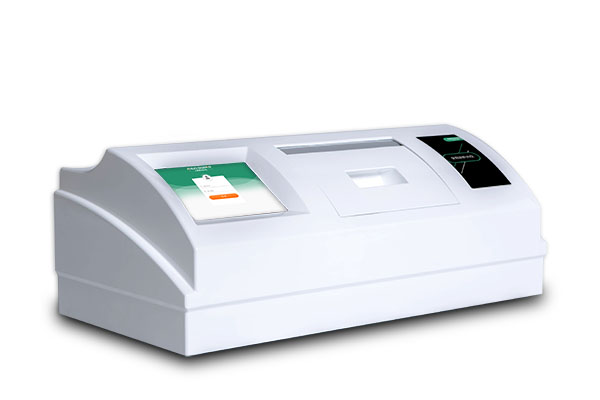
In beverage production, sweetness control must be precise and repeatable. By using a Refractometer to monitor Brix values at key stages, producers align sugar concentration with taste expectations, viscosity targets, and filling accuracy before products reach packaging.
| Product Category | Typical Brix Control Range | Measurement Stage | Refractometer Application | Key Technical Indicators | Practical Value | Operational Notes |
|---|---|---|---|---|---|---|
| Fruit Juices (not from concentrate) | 8–14 °Bx (varies by fruit) | Raw juice intake & pre-filling | Verifies natural sugar content and seasonal variation | Resolution: 0.01 °Bx; ATC recommended (10–40 °C) | Ensures consistent sweetness despite crop variability | Establish fruit-specific reference ranges |
| Fruit Juice Concentrates | 60–70 °Bx (typical industry range) | Evaporation and dilution stages | Confirms target concentration before reconstitution | Accuracy: ±0.05 °Bx (typical digital units) | Prevents over- or under-dilution | Clean prism carefully due to high viscosity |
| Carbonated Soft Drinks | 10–12 °Bx (formulation-dependent) | Syrup blending & inline mixing | Checks syrup-to-water ratio in real time | Inline response time: seconds | Maintains flavor consistency across high volumes | Measure before carbonation to avoid gas interference |
| Beverage Syrups | 55–70 °Bx | Post-cooking / pre-filling | Controls sweetness and flow properties | RI range: ~1.44–1.49 nD | Stabilizes viscosity and dispensing performance | Temperature stabilization improves repeatability |
| Flavored Concentrates | Defined by recipe (often ±0.2 °Bx tolerance) | Batch approval | Confirms batch compliance before release | SPC limits based on historical data | Reduces batch rejection and rework | Use consistent sampling method |
| Blending Operations | Recipe-specific target | Inline or at blend tank | Enables immediate formulation correction | Digital output to PLC/MES | Minimizes ingredient waste | Integrate alarms for deviation control |
Tip: For sweetness-critical beverages, define Brix acceptance bands based on sensory testing and historical data, then link refractometer readings to automated blend adjustments to maintain flavor stability at scale.
Production styles vary. Some rely on batch systems. Others use continuous lines. A refractometer works in both settings. In batch production, teams test before release. In inline systems, sensors monitor flow continuously. Both approaches protect target Brix levels. Inline measurement allows automatic corrections. Batch testing supports approval decisions. Together, they form a layered control strategy. This flexibility explains wide adoption across beverage plants. The refractometer adapts to operational needs, not the other way around.
Ingredients cost money. Overuse reduces margins. A refractometer helps optimize yield. Accurate readings prevent excess sugar or concentrate use. Teams add only what is needed. This tight control reduces rework and scrap. Over time, savings become significant (data to verify). Waste reduction also supports sustainability goals. Management sees both financial and environmental benefits. The refractometer supports smarter resource use without compromising quality.
Fermentation depends on sugar conversion. Brewers and winemakers track this closely. A refractometer measures sugar levels at each stage. Early readings guide yeast activity expectations. Later values show fermentation progress. Operators adjust timing based on real data. This reduces uncertainty. It also prevents stalled or incomplete fermentation. Over time, teams refine their process knowledge. The refractometer becomes part of fermentation discipline.
Alcohol content matters for labeling and compliance. During fermentation, sugar loss indicates alcohol formation. A refractometer supports these estimates. Producers compare initial and current readings. This helps predict final alcohol levels. While final verification may use other tools, refractometer data guides decisions early. It supports planning and scheduling. Teams avoid surprises at packaging. The result is smoother operations and better compliance readiness.
Flavor balance depends on fermentation control. Small changes affect taste. A refractometer helps maintain consistency. It provides repeatable data across batches. Brewers use it to align new runs with proven profiles. Winemakers track ripeness and fermentation progress. Distillers monitor mash and wash concentrations. This shared measurement language improves collaboration. Quality teams and production teams speak the same numbers. Over time, flavor stability improves across product lines.
Incoming materials set the baseline for final product quality. By applying a Refractometer at receiving, quality teams can verify soluble solids, concentration, or refractive index against predefined acceptance ranges. This scientific check helps detect variability caused by seasonal changes, processing differences, or transport conditions. Early verification prevents unsuitable materials from entering production, reducing corrective actions later. Over time, accumulated receiving data enables objective supplier performance evaluation and supports data-driven procurement decisions.
Dilution and adulteration alter the optical properties of liquids in predictable ways. A Refractometer leverages this principle by comparing measured values against established reference ranges for authentic products. Even minor water addition or substitution shifts Brix or refractive index beyond normal variation. This method provides rapid, non-destructive screening without complex chemistry. From a scientific standpoint, refractometry offers a reliable first-line authenticity check, helping manufacturers safeguard product integrity and meet regulatory and customer expectations.
Brand consistency depends on repeatable, objective measurements. A Refractometer transforms sensory expectations into quantifiable data that can be tracked over time. By recording readings across batches, plants build a statistical quality history that supports audits, certifications, and internal reviews. This data foundation allows marketing and quality teams to align claims with evidence. Scientifically grounded consistency strengthens trust, reduces variability, and reinforces brand reputation across markets and production sites.
In dairy processing, soluble solids directly influence yield, texture, and shelf stability. Inline or handheld Refractometer measurements allow operators to monitor milk solids–non-fat (MSNF) during concentration, standardization, and evaporation steps. Real-time data helps control protein and lactose ratios, which affect viscosity and heat stability in products like condensed milk or yogurt bases. From a process control perspective, consistent solids monitoring also improves downstream performance in fermentation and drying, supporting both quality targets and regulatory specifications.
Sauces and soups require tight concentration control to achieve the intended mouthfeel and pour behavior. A Refractometer provides fast feedback on soluble solids during cooking and blending, allowing operators to fine-tune water removal or ingredient addition. Scientifically, maintaining a stable solids range improves rheological behavior and heat transfer efficiency. This consistency reduces filling variability and minimizes shear-related defects, helping high-volume lines maintain uniform product appearance and predictable consumer experience.
Gel-based products depend on precise solids concentration to activate pectin or sugar-driven gel networks. Using a Refractometer during the boiling stage allows producers to identify the optimal endpoint for gel formation. From a food science standpoint, this control prevents under- or over-gelation, both of which affect spreadability and clarity. Consistent refractometer-guided endpoints improve batch repeatability and reduce reliance on operator judgment, supporting scalable production without sacrificing artisanal texture quality.
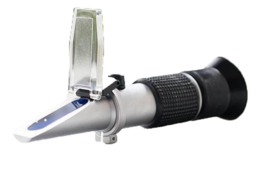
Inline Refractometer systems provide continuous concentration measurement directly in the process stream, eliminating sampling delay and variability. Installed after critical steps such as evaporation, blending, or dilution, they deliver second-by-second Brix or refractive index data. Control systems use these signals to regulate valves, flow rates, or heating intensity automatically. From a process engineering perspective, this real-time feedback tightens control loops, reduces process deviation, and stabilizes product quality under high-throughput operating conditions.
In digital manufacturing environments, single-point measurements are no longer enough. When Refractometer data is connected to digital quality systems, individual readings become traceable, analyzable, and actionable process intelligence. This integration allows teams to monitor trends, trigger alerts, and support data-driven quality decisions across the production lifecycle.
| Layer / Use Case | Refractometer Data Type | Typical Technical Parameters (Examples) | Digital System Integration | Practical Application Value | Key Considerations |
|---|---|---|---|---|---|
| Data Acquisition | Brix (°Bx) | 0–95 °Bx range; 0.01 °Bx resolution | RS485 / Ethernet / Modbus TCP to PLC | Real-time data capture without manual entry | Regular calibration required for accuracy |
| Data Acquisition | Refractive Index (RI) | 1.3300–1.5300 nD; ±0.0001 accuracy | Direct upload to SCADA or DCS | High-precision monitoring for concentrates | Verify temperature compensation status |
| Data Conditioning | Automatic Temperature Compensation (ATC) | 10–40 °C compensation range | MES-based data correction | Consistent readings across varying conditions | Sample temperature must stay in rated range |
| Data Analysis | Batch Brix Trends | ±0.2 °Bx control limits (example) | SPC charts and trend analysis | Early detection of formulation drift | Control limits must reflect historical data |
| Data Analysis | Real-Time Deviation Alerts | Threshold-based event triggering | Automated alarm notifications | Prevents off-spec batches from continuing | Avoid overly tight thresholds to reduce false alarms |
| Quality Management | Batch Quality Records | Time-stamped values with batch ID | Electronic Batch Records (EBR) | Audit readiness and regulatory support | Ensure data integrity per GMP / FDA guidelines |
| Decision & Optimization | Historical Performance Data | Monthly or quarterly trend comparison | BI dashboards and reporting tools | Process optimization and cost control | Data storage and retention policies needed |
| System Integration | Standardized Data Interfaces | OPC UA / REST API compatibility | ERP and QMS connectivity | Closed-loop quality management | Requires coordinated IT–OT architecture |
Tip: When integrating refractometer data into digital quality systems, start with critical control points such as blending or concentration stages. Expanding step by step makes it easier to validate data value and reduce system integration risks.
When integrated into automated systems, a Refractometer enables true closed-loop process control. Real-time concentration data feeds PLC or DCS logic, allowing automatic adjustment of dilution rates, evaporation intensity, or blending ratios. This reduces operator intervention and shortens response time to process drift. Automated refractometer feedback also stabilizes cycle times and improves line utilization. In high-volume plants, this approach supports consistent output while lowering rework rates and improving overall equipment effectiveness (OEE).
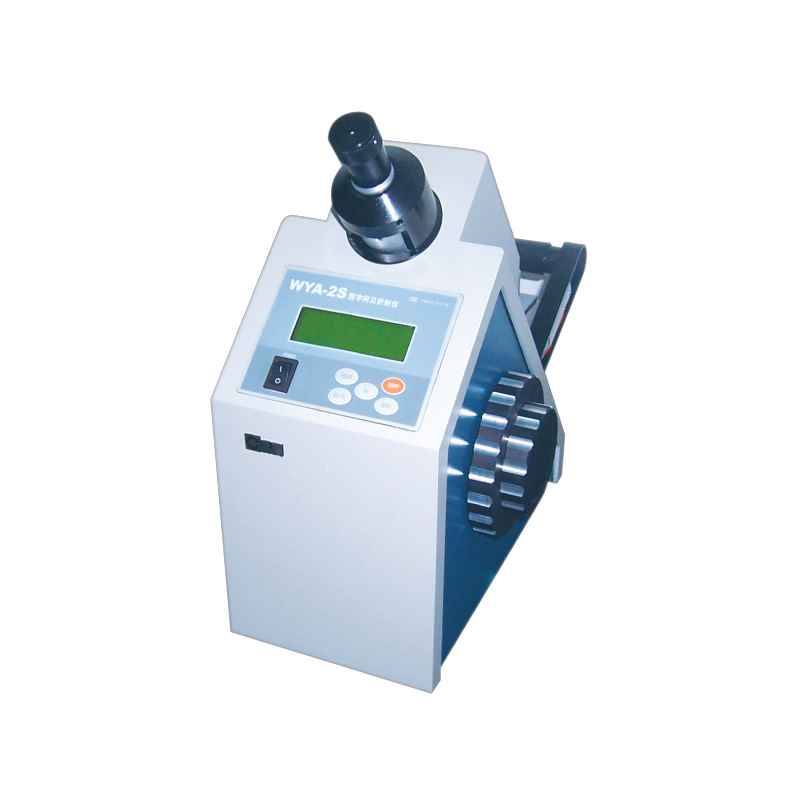
This article highlights how the Refractometer delivers measurable value across food and beverage manufacturing, from sweetness control and fermentation monitoring to quality verification and automated process control. By providing fast, reliable data, it supports consistency, efficiency, and scalable production. Modern refractometer integration also enables data-driven quality systems and higher operational confidence. Solutions from Shanghai Zhuoguang Instrument Technology Co., Ltd. combine precision measurement, stable performance, and automation compatibility, helping manufacturers optimize processes, reduce variability, and strengthen brand trust in competitive global markets.
A: A Refractometer measures sugar and solids concentration to control taste, quality, and consistency during production.
A: A Refractometer measures Brix values, allowing producers to adjust sugar levels before filling or packaging.
A: A Refractometer tracks sugar conversion, helping estimate alcohol content and maintain stable fermentation.
A: A Refractometer reduces routine lab testing by providing fast, on-site quality measurements.
A: Yes, an inline Refractometer integrates with control systems for real-time process automation.


