
- Home
- Products
- Hot Sales
- About Us
- Application
- Support
- News
- Contact
Views: 0 Author: Site Editor Publish Time: 2025-11-12 Origin: Site


Photometric titration is an easy way for the determination of water hardness. You can use new tools that make this process simple and correct. These tools help you avoid mistakes that can happen with hand testing. The machines collect data by themselves and show clear results. This means you get exact answers, even if you are not an expert. Knowing water hardness is important at home and in factories because water quality affects health and many jobs.
Knowing about water hardness is important for health and machines. Hard water can make your skin itchy. It can also hurt pipes in your house.
Photometric titration is an easy way to test water hardness. It gives clear and correct results. You do not have to guess the answer.
Testing water hardness often stops scale from building up. It also helps you spend less money on repairs. Try to test your water every few months.
Tools like the GT100 titrator help you test faster. It does the work for you. This saves time and lowers mistakes.
Keep water hardness under 450 mg/L as CaCO₃. This keeps you safe and follows the rules for water in the country.

Sometimes, water feels strange when you wash your hands. This is because of water hardness. Water hardness means there are minerals in the water. The main minerals are calcium and magnesium. These minerals come from rocks and soil. Water picks them up as it moves underground. If water has a lot of these minerals, it is called hard water. If there are only a few minerals, it is called soft water.
The most common minerals that make water hard are calcium carbonate and magnesium. These minerals mix into the water and add to total hardness. You can find calcium and magnesium ions in water from rocks like calcite, gypsum, and dolomite. Sometimes, other ions like iron, aluminum, or manganese can also make water harder. But calcium and magnesium are the biggest reasons for water hardness.
Water hardness matters because it can cause problems at home and in factories. Hard water can leave white marks on dishes. It can make soap not work as well. It can also build up inside pipes. This buildup is called scale. Scale can block water or break equipment. The national rule says water should have less than 450 mg/L of total hardness. This keeps water safe and easy to use.
You need to know how hard your water is for many reasons. Testing helps keep you healthy and protects your things. Hard water can make your skin itchy. It can make your hair feel rough. Sometimes, it can even upset your stomach.
Factories also care about water hardness. They use boilers, cooling towers, and food machines. They must control water hardness to stop damage and save money. Here is a table that shows what hard water can do at home and in factories:
Impact Type |
Description |
|---|---|
Scaling |
High total hardness makes scale. Scale lowers heat exchange in boilers and pipes. |
Corrosion |
Hard water can cause corrosion. This can make leaks and break equipment. |
Reduced Efficiency |
Scale makes machines use more energy and work worse. |
Maintenance Costs |
Hard water means more cleaning and higher repair bills. |
Health Risks |
Hard water can make skin itchy, hurt hair, or upset your stomach. |
Testing water hardness helps you follow rules like GB/T5750.4-2023. It keeps your water good to drink and helps machines last longer. By checking total hardness, you protect your health and save money over time.
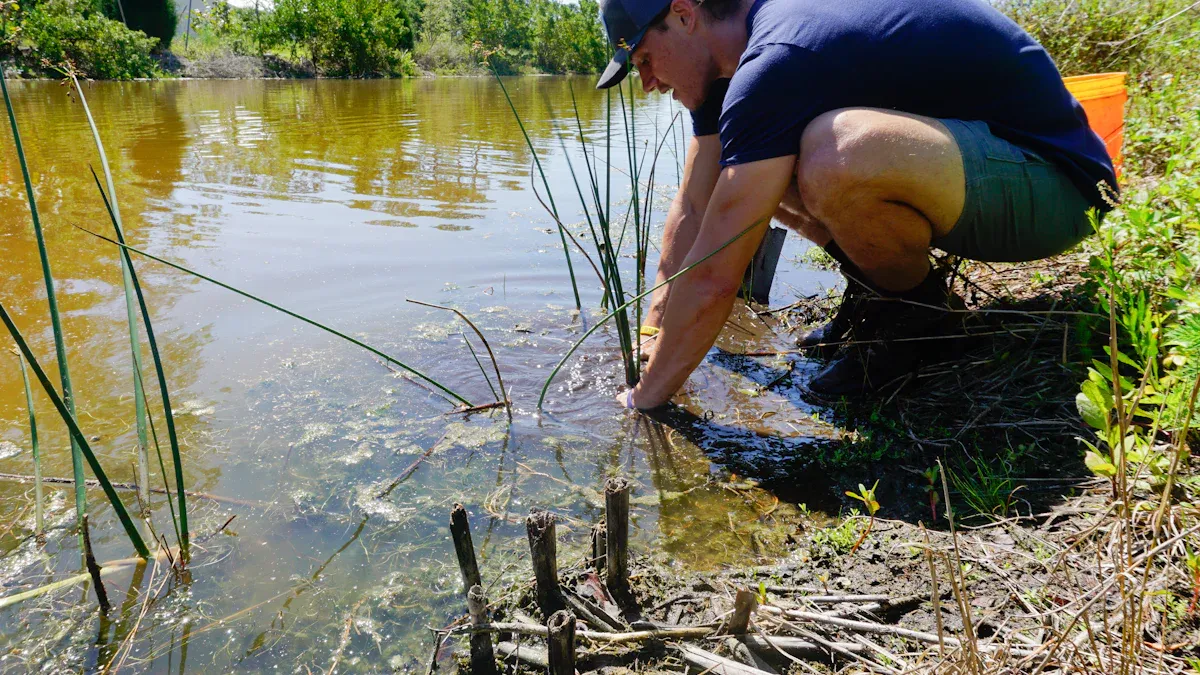
You can check water hardness in different ways. Each way uses its own tools and steps. Some ways are easy. Others need special machines. Here are the main ways to test water hardness.
Manual titration is an old way to test water hardness. You add EDTA to your water sample. You use a color indicator to watch the reaction. You look for a color change with your eyes. Results can be different for each person.
Manual titration is simple to do. But it may not always give the best results.
Potentiometric titration uses an electrode to check voltage changes. You add EDTA to your water sample. The electrode watches the reaction and shows the endpoint on a screen. This way does not use color, so it is more exact.
Potentiometric titration works well in labs for water hardness tests.
Photometric titration uses light to find the endpoint. You add EDTA and an indicator like Eriochrome Black T. The sensor checks how much light goes through the sample. It looks for changes at 650 nm to show when the reaction is done. This way gives steady and exact results for water hardness. Here is how it works:
Aspect |
Description |
|---|---|
Method |
Photometric titration with EDTA and Eriochrome Black T |
Reaction |
Calcium and magnesium ions react with EDTA and the indicator |
Monitoring |
Absorbance is checked at 650 nm to find the endpoint |
Purpose |
To measure how much hardness ions are in the water |
Photometric titration is liked because it is easy and gives good results. You do not need to trust your eyes, so you make fewer mistakes.
You can use water hardness electrodes or ion chromatography too. Electrodes measure ions in water right away. Ion chromatography and atomic absorption use machines to separate and measure ions. These ways are very exact but need special tools and training.
Tip: Most people and labs use titration methods. Photometric titration is best for accuracy, speed, and ease when testing water hardness.
Checking water hardness is important for health and work. Good tests help you follow rules like GB/T5750.4-2023 and keep water safe. Photometric titration is great because it gives good results every time.
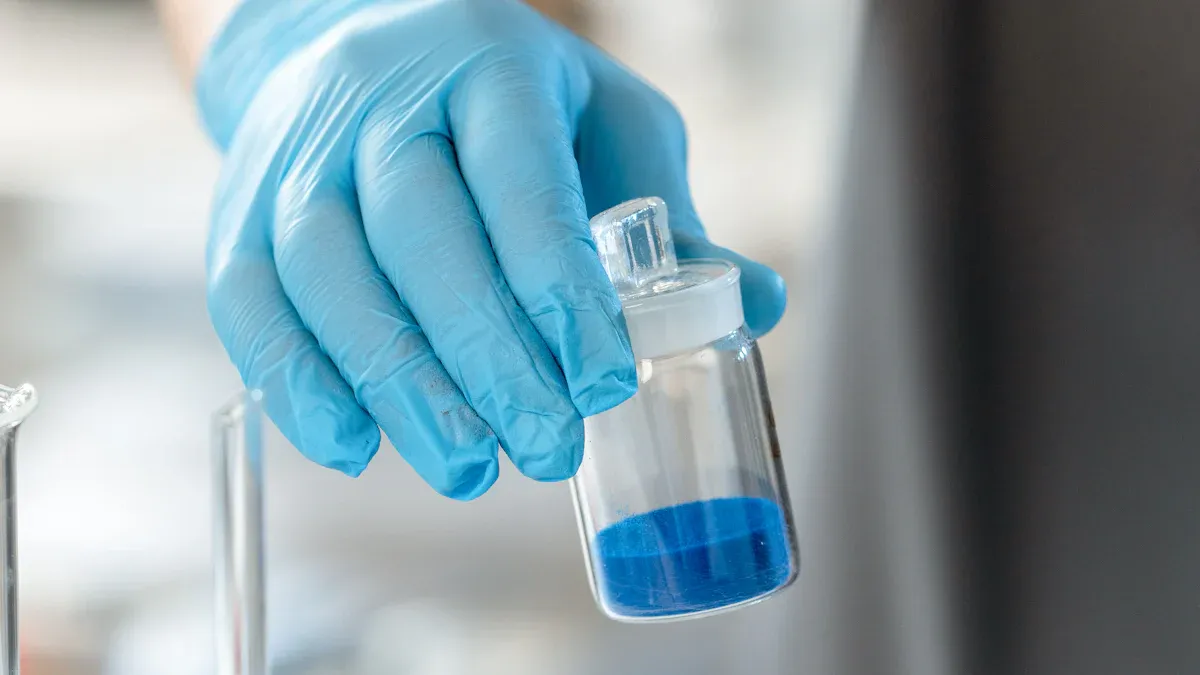
You only need a few things to do photometric titration for water hardness. Get these items before you start:
A photometric titration instrument or kit
Clean bottles for collecting water samples
EDTA solution for the test
Eriochrome Black T as the indicator
Distilled water for rinsing tools
A pipette or syringe to measure liquids
Safety gloves and glasses
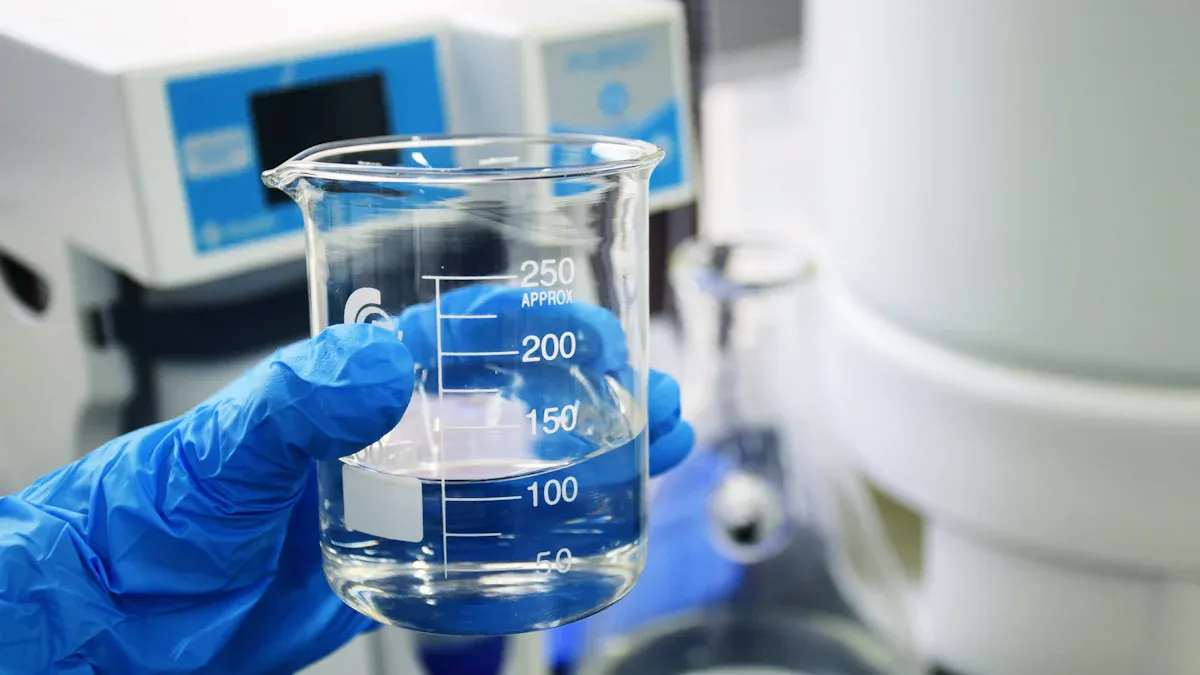
These items help you check water hardness correctly. The photometric titration instrument uses light to find changes in your water sample. This way, you get good results every time.
Here are the steps for photometric titration for water hardness:
Take a fresh water sample using a clean bottle.
Rinse all glassware with distilled water to keep it clean.
Put a measured amount of water into the titration vessel.
Add a few drops of Eriochrome Black T to the water. If there are hardness ions, the water turns wine red.
Put the vessel into the photometric titration instrument.
Start the titration. The instrument will slowly add EDTA solution.
Watch the color change as the test goes on. The sensor checks how much light goes through the water.
The endpoint is when the color changes from red to blue. The instrument finds this change using light at 650 nm.
Write down the amount of EDTA used. The instrument might show the water hardness value right away.
Tip: Always read and follow your instrument’s instructions. This helps you get the best results.
Photometric titration makes testing water hardness simple and easy to repeat. You do not have to guess the endpoint by looking. The instrument does this for you.
After the titration, you need to know what the results mean. The instrument shows the water hardness value in milligrams per liter (mg/L) as CaCO₃.
Hardness Level |
mg/L as CaCO₃ |
Description |
|---|---|---|
Soft |
0–60 |
Few minerals present |
Moderately Hard |
61–120 |
Some minerals present |
Hard |
121–180 |
Many minerals present |
Very Hard |
>180 |
High mineral content |
Compare your results to the national drinking water standard. The rule says water should have less than 450 mg/L of total hardness. If your water is higher, you may need to treat it. High hardness can make scale in pipes, make soap work less well, and affect health.
Photometric titration helps you trust your results. Good water hardness testing keeps you healthy and helps machines work well. Standards like GB/T5750.4-2023 help you keep water safe for everyone.
Note: Checking water hardness often helps you find problems early. This keeps your home and workplace safe.
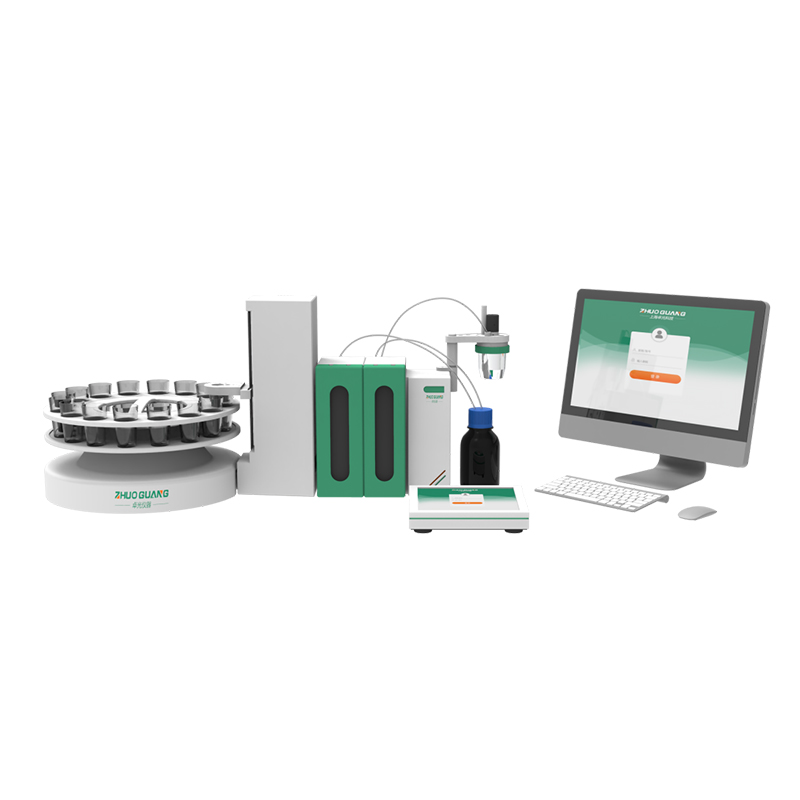
You want a tool that makes water hardness tests simple. The GT100 Fully Automatic Potentiometric Titrator does this job well. As part of the GT100 series, it is equipped with two built-in titration modules—potentiometric and photometric—supporting both potentiometric and photometric titration methods. It features a 7-inch color touchscreen design for easy operation, and can connect to external titration units, auto samplers, printers, PC terminals and other devices. You can use it for many water samples, set up tests fast and see results quickly.
The GT100 does the whole titration by itself. You do not need to add chemicals by hand. The machine gets the sample ready, adds the titrant, and finds the endpoint for you. This saves time and helps you avoid mistakes from manual testing. The GT100 uses pumps and electrodes that are very precise. These parts add the titrant exactly and measure changes right away. You get steady and correct results every time.
You can use the GT100 for calcium hardness and magnesium hardness. As a photometric titrator, it can be configured with photometric electrodes of three different wavelengths—520nm, 570nm, and 620nm—to meet various titration applications. It works with different photometric electrodes, allowing you to test for calcium and magnesium in many water types. The system also works with many accessories, so it fits your needs. The GT100 can test up to 34 samples at once. This is good for busy labs or places that test water often.
The GT100 helps you follow rules like GB/T5750.4-2023 and the national standard of less than 450 mg/L total hardness. Good water hardness testing keeps you healthy and machines working well. You can trust the GT100 to give the right results every time.
Note: The GT100 titrator can also check for other ions like chloride, zinc, nickel, lead, aluminum, copper, and SDS. You can use it for total acidity in oil, vinegar, tap water, and even sulfuric acid (H2SO4).
When you use the GT100 titrator, you see how easy it is. The touchscreen lets you start tests with a few taps. You can watch the test and see results on the screen. The software helps you set up methods, look at data, and make reports. Even if you are new, you can learn fast.
The GT100 gives correct results for calcium and magnesium in water. You can measure both in one test. The machine shows the levels of calcium and magnesium ions. These ions are the main reason for water hardness. You can use these results to check if your water meets the national standard. If the total hardness is too high, you know you need to treat the water.
The GT100 works in many industries. You can use it for environmental checks, chemical factories, and more.
You can also use the GT100 for food and drink tests, water plants, and research labs. The titrator helps you check calcium and magnesium hardness and other ions in many water types. This keeps water safe to drink, protects equipment, and helps you follow industry rules.
Tip: Testing water hardness often helps you find problems early. You can stop scale buildup, save on repairs, and keep water quality high.
The GT100 titrator gives you a full way to test water hardness. You can measure calcium and magnesium hardness with trust. The machine helps you keep water safe for health and work.
It is important for water hardness tests to be easy and right. Photometric titration gives you both things. You watch for a color change to check calcium and magnesium in water. The instrument finds the endpoint, so you do not have to guess. This gives results that match EPA and ASTM rules. You can test total hardness, calcium, and magnesium from one sample. This saves time and helps you follow rules like GB/T5750.4-2023 and the national drinking water rule of less than 450 mg/L.
Photometric titration makes water hardness tests simple. You do not need special training to use it. You can handle and throw away samples without trouble. You use less reagent and sample, which saves money and helps the environment.
Fast and trustworthy results
Can test up to 120 samples each hour
Uses less reagent and sample
Simple to handle and throw away samples
Good for quick checks and detailed tests
You might wonder how photometric titration is different from other ways to test water hardness. The table below shows how they compare:
Method |
Accuracy |
Field Testing Ease |
Cost Comparison |
|---|---|---|---|
Photometric Analysis |
Most Accurate |
Easy |
Comparable |
Manual Titration |
Varies |
Difficult |
Higher |
Potentiometric Titration |
Good |
Moderate |
Higher |
Photometric titration is a versatile technique widely used in water analysis. It supports quantitative determination of numerous ions—including chloride, calcium, magnesium, zinc, copper, silver, manganese, barium, and others—by pairing specific titrants with suitable indicators and monitoring absorbance changes at characteristic wavelengths (e.g., 520 nm, 570 nm, 620 nm). This flexibility makes photometric titration valuable for municipal water treatment, industrial process control, environmental monitoring, and laboratory research.
One of the most common applications is measuring water hardness, which reflects the concentrations of calcium and magnesium. Accurate hardness analysis is essential for protecting public health, ensuring stable industrial operations, and preventing problems such as scale formation, corrosion, production downtime, and increased maintenance costs.
The combination of photometric titration and instruments such as the GT100 titrator offers high precision and operational efficiency. Automated endpoint detection eliminates subjectivity and human error common in manual titrations, while stable optical signals ensure reproducible results. Frequent monitoring helps facilities remain compliant with standards such as GB/T 5750.4-2023, including the national hardness limit of 450 mg/L, and supports early detection of harmful substances.
| Wavelength (nm) | Test Object / Sample | Titrant | Indicator | Color Change |
|---|---|---|---|---|
| 620 | Chloride ion | AgNO₃ | None | Light blue |
| 620 | SDS | CTAB | None | Light blue |
| 620 | Ca–Mg water hardness | Na₂EDTA | Eriochrome Black T | Red → Blue |
| 620 | Lead ion | Na₂EDTA | Eriochrome Black T | Red → Blue |
| 570 | Total acid (lubricating oil) | KOH | p-Hydroxyazophenol | Yellow → Purple |
| 570 | Barium ion | Na₂EDTA | o-Cresolphthalein | Red → Blue |
| 570 | Zinc ion | Na₂EDTA | PAN (pyridyl-azo-naphthol) | Red → Yellow |
| 570 | Silver ion | ZnSO₄ / Na₂EDTA | o-Cresolphthalein | Yellow → Red |
| 570 | Potassium ion | Na₂EDTA | Dimethylphenol orange | Yellow → Red |
| 570 | Manganese ion | ZnSO₄ / Na₂EDTA | o-Cresolphthalein | Red → Blue |
| 570 | Copper ion | Na₂EDTA | o-Cresolphthalein | Red → Blue |
| 520 | Total acid / Vinegar | NaOH | Phenolphthalein | Colorless → Red |
| 520 | H₂SO₄ | NaOH | Phenolphthalein | Colorless → Red |
| 520 | Total acid / Tap water | NaOH | Methyl orange | Yellow → Red |
By applying photometric titration:
You can detect water quality issues early and improve safety.
You reduce equipment failures, extend service life, and lower operational costs.
You save energy and improve overall process efficiency.
You ensure that water is safe and reliable for households, industries, and communities.
You should test water hardness every few months. Regular checks help you spot changes early. This keeps your water safe for drinking and protects your equipment from scale buildup.
Hard water can make your skin dry and your hair rough. High hardness may upset your stomach. Testing helps you follow standards like GB/T5750.4-2023 and keeps your water safe for your family.
You can use photometric titration kits at home. These kits give quick and accurate results. You do not need special training. Always follow the instructions for best results.
The national drinking water standard says total hardness should be less than 450 mg/L as CaCO₃. You should keep your water below this level to protect health and equipment.


